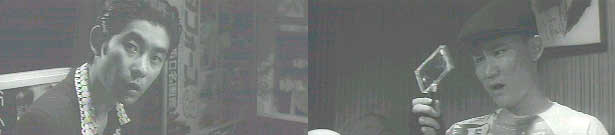
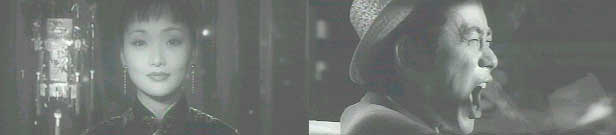
Over ten years ago I watched
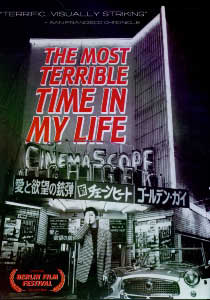
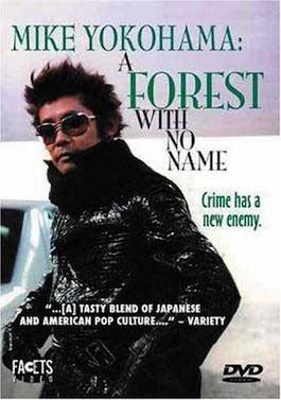
The Most Terrible Time in My Life (1993) and though I very much enjoyed it,
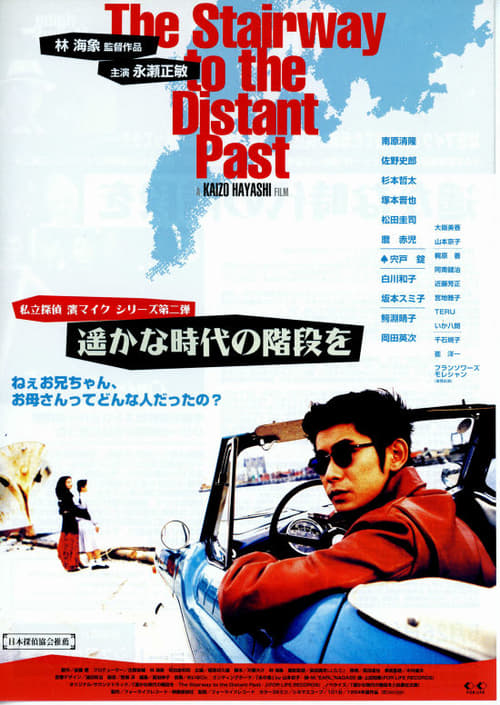
I never followed up on the sequel till now. The Most Terrible Time introduces
us to Maiku Hama, a low rent Japanese detective whose office is above a movie
theater where his customers have to buy a ticket in order to see him. His
name is a play on American tough guy icon Mike Hammer from Mickey Spillane
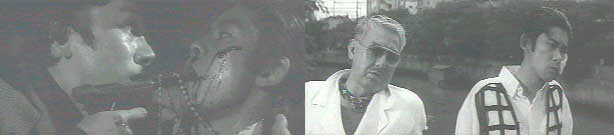
but Hama is as far from Hammer as you can get. Instead of doing the beating,
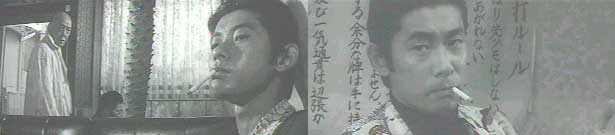
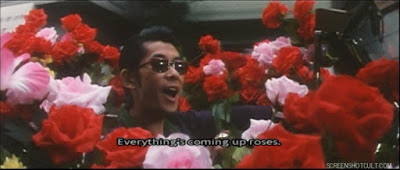
he is usually the object of the beating. Portrayed by Masatoshi Nagase, who
is best known to Western viewers for his character in Jarmusch's "Mystery
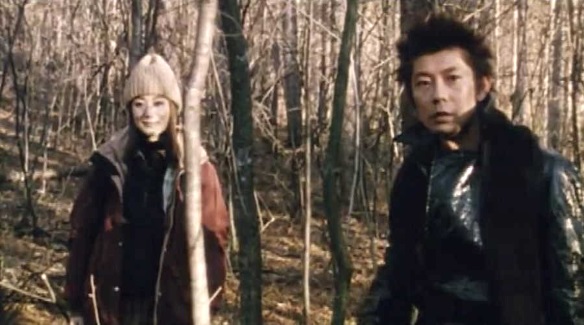
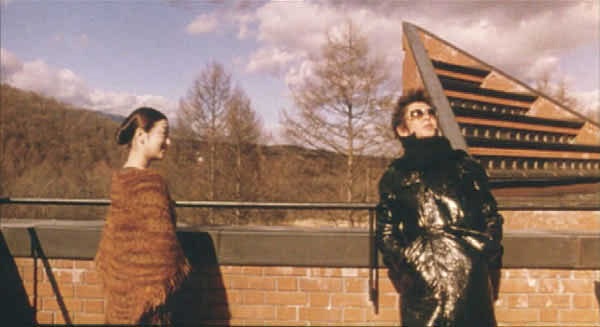
Train", Hama is a skinny young man who has an affection for all things America
1950s with his clothes, sunglasses and cars. The Most Terrible Time was shot
in black and white as a nod to the noir films of the 1950's, but right at
the end it suddenly explodes into color and this one takes it from there.
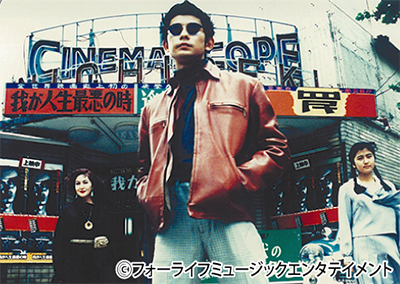
Hama is still above the theater which is advertising Cinemascope and the
film playing there is in fact The Most Terrible Time in My Life. To a full
house! Hama isn't doing well professionally - cases are rare, his car is
taken by debt collectors forcing him to use a bicycle and he is down to 1,500
yen. He has taken care of his younger sister ever since their mother deserted
them years before and their father is unknown. So he is thrilled when a woman
comes in and asks him to look for Marie - which turns out to be a little
dog. But this is Yokohama - beneath the stunning cherry blossoms is a festering
rot - a dirty city dominated by the Yakuza and where the cops are not much
cleaner. In Most Terrible Hama had to deal with Taiwanese gangsters but in
this one they are home grown and even deadlier.
A cop comes to him and pressures Hama (by telling him he will plant drugs
on him) to investigate the White Man. The White Man is a murky mysterious
figure who has run the waterfront for decades and anyone who has tried to
either investigate or take power has ended up dead. But this is a cop you
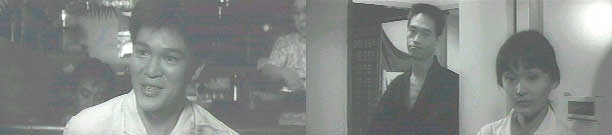
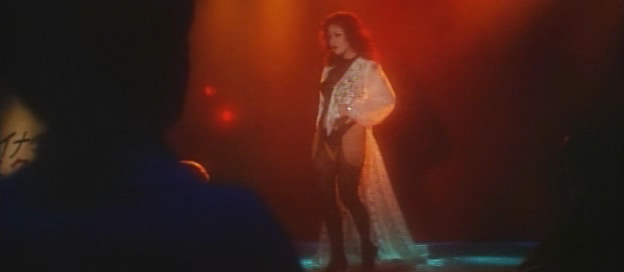
don't say no to. On top of this the long gone mother has returned and has
gone back to work in a sleazy burlesque joint where men get nose bleeds
as she dances. Hama wants nothing to do with her, but the past comes back
to smack him in the face. The film loses its focus at times and in particular
at the end goes a bit off the tracks in a game of Russian Roulette, but
is at the same time quite compelling.
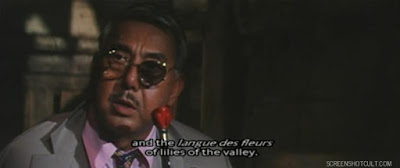
The White Man is played by veteran actor Eiji Okada who starred in Hiroshima,
Mon Amour and Woman of the Dunes and was to pass away not long after this
film was shot. Director Shin'ya Tsukamoto (Tetsuo, Snake in June, Nightmare
Detective) plays one of the two gangsters who thinks it is a good idea to
challenge The White Man and Jo Shishido is Hama's friend who urges him to
leave Yokohama before he is killed. The cop is played by Akaji Maro who
had a part in both Kill Bill I and II as Boss Ozawah. The director of this
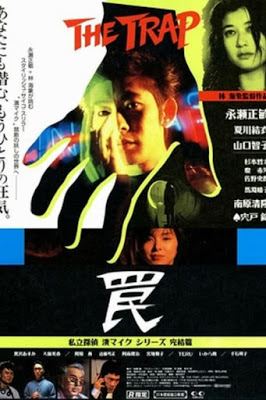
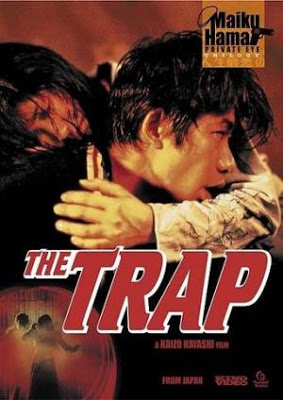
film is Kaizô Hayashi and in the following year he directed the third
film in the Maiku Hama Trilogy, The Trap (Wana) and I plan on seeing that
one shortly.