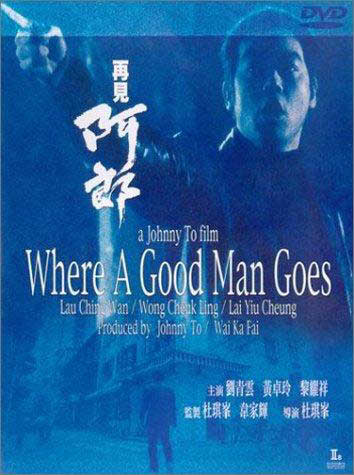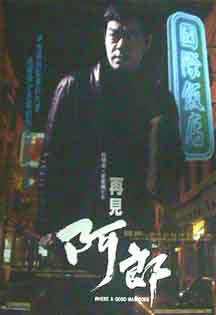
Director: Johnnie To
Year: 1999
Rating: 7.0/9.5
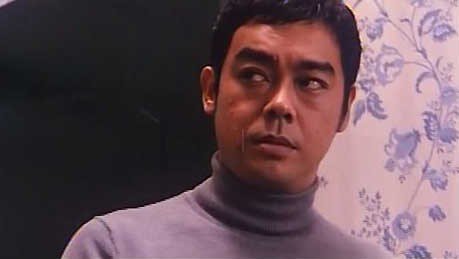
This is an interesting though ever so slightly disappointing film from Productions. It is filmed in a much more straight forward manner then most of their previous efforts with little of the swooning distorting camera effects and the obscure plot lines. It also feels like a much smaller more intimate canvass that To is using to paint his story with than the previous larger scale productions. It has a slight film noir feel to it as Lau Ching-wan plays an ex-con trapped in the web of his past life and yet searching for some kind of redemption. There is also something about Macao and its narrow shadowy streets – where this story takes place – which just oozes noir and intrigue.
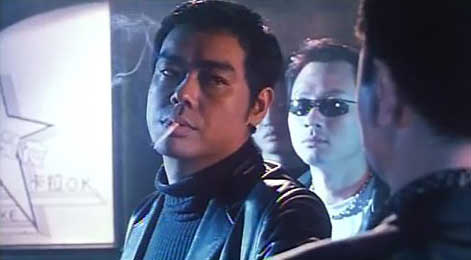
Just released from prison, the quick-tempered Lau immediately gets into
a fight with his cab driver. A few other drivers join in and Lau beats them
all off. Finding himself in a pouring rain, he goes into the closest inn that
turns out to be run by Ruby Wong - a no-nonsense widow with a young son.
Lau is the lodger from hell with his temper and his demands, but she calmly
accepts his abuse. The next day Lau is arrested by the police cousin (Lam
Suet) of one of the taxi drivers and is only released when Ruby testifies
that the cab drivers began the fight. This is the beginning of problems for
both of them. The cop becomes fanatically intent on sending Lau back to jail
and the taxi drivers all over the city refuse to take customers to the hotel
because of her statement and because she is allowing him to stay. Her business
begins to fall apart, but her sense of values makes it impossible for her
to force Lau to leave.

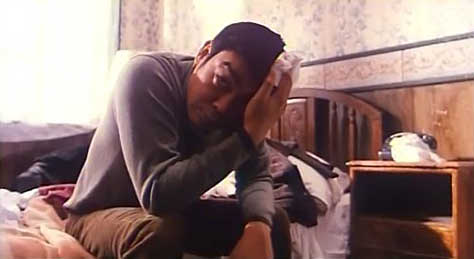
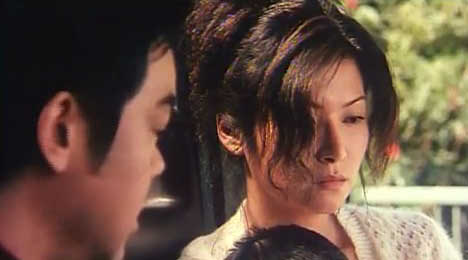
Ruby is an interesting though somewhat enigmatic character here. She goes through the film with nearly the same stoic expression and yet she still manages to convey a quiet sense of strength and goodness. Lau begins to realize this and finds himself drawn to her and to her life and he starts helping around the inn. He feels guilty for bringing so much trouble to her door, but he can’t seem to leave. He has problems of his own though. Before going to prison he was a big shot triad moneylender and collector, but now he finds things have changed – both out in the world and within himself. Lots of people owe him money, but no one seems able to pay him back and he can’t find it within himself to go the extra violent mile to force the issue. It’s like a football receiver losing a step – soon no one fears you.
All of these different plot lines weave an interesting story, but the main
core of the film is the relationship that develops between Lau and Ruby. This
though is the part that I can never really buy. She seems to sense that below
his volatile personality lies the essence of a good man and she continues
to support him through very difficult circumstances and even one brutal confrontation
between the two of them. I don’t understand why. Lau has his charming side
– and he has a sense of honor – but overall he is not really a very likable
guy. And any passion or chemistry between the two of them is left unspoken.
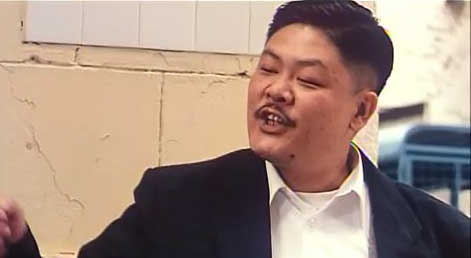
Still the movie has a number of things going for it – the two good lead performances
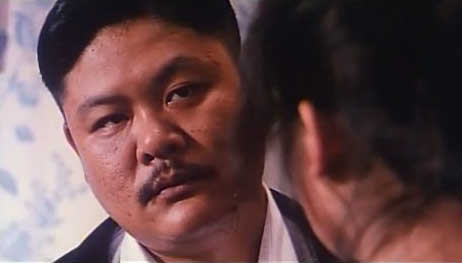
– and a nice turn from the cop who plays it wonderfully smarmy and snakelike.
There are some good confrontations between Lau Ching-wan and Lam Suet – one
which will have you laughing.
In a nutshell: It truly does seem to be
the case that how you (will) feel about this Johnnie To film can be determined
by your opinion about whether its (anti-)hero IS a good man, the plausibility
of the relationship between its two protagonists (memorably as well as convincingly
portrayed by Lau Ching Wan and Ruby Wong) and your reaction to what I shall
call -- and you will undoubtedly recognize, upon viewing it, as -- "That
Scene". This much one must conclude not only after watching the local
choice to open the 1999 Hong Kong International Film Festival but also reading
the divergent (re)views of it on this along with other websites and the Asian
Film Discussion Forum.

This would be a shame; not least, because IMHO there actually are some really seriously intelligent messages, interesting (sub)stories and touching moments in this nuanced film. Among them are those involving issues of trust and honor. This (re)viewer also found some quite specific ruminations of what happiness constitutes, where home really is, and what one is prepared to do for people that one truly cares for. Then there is what appears to be a rather obvious rebuke to those whose 99-year lease of a Chinese territory expired in 1997...
My rating for the film: 9.5.